History isnât just found in textbooks. Itâs tucked behind a gazebo in a quiet corner of Tomball. As Texasâ top award-winning travel blogger, Iâve visited my fair share of museums, but I didnât realize just how much of an immersive history experience there was in this small town just outside Houston.
During my recent trip to explore all of Tomball, I stepped into the Tomball Museum Center, a collection of preserved buildings that turn a simple stroll into a full-on Tomball Museum tour through Texas’ early days. From the 1800s Griffin House (formerly Pillot House) to the one-room schoolhouse and historic chapel, this history museum in Tomball felt less like reading about the past and more like walking through it.
If youâre planning a history-focused Tomball day, pair this guide with my historical places in Tomball, things to do in Tomball on Saturdays, Old Town Tomball guide, and complete Tomball guide.
Tomball Museum Center at a Glance
| Address | 510 N Pine St, Tomball, TX 77375 |
| Best for | History lovers, families, homeschool groups, and budget-friendly Tomball plans |
| What youâll see | Historic homes, a one-room schoolhouse, chapel, log cabin, oil camp house, artifacts, and guided stories |
| Public hours | Wednesday and Saturday 10 AM to 2 PM, Sunday 2 PM to 4 PM; other weekdays by appointment |
| Plan for | About 2 hours for the full guided tour |
| Pair it with | Tomball Railroad Depot Museum, Old Town Tomball, or a Saturday farmers market stop |
Because this museum is volunteer-run, Iâd still check the current hours or contact the museum before making a special trip.
Tomball Museum Center: A Living History Tour
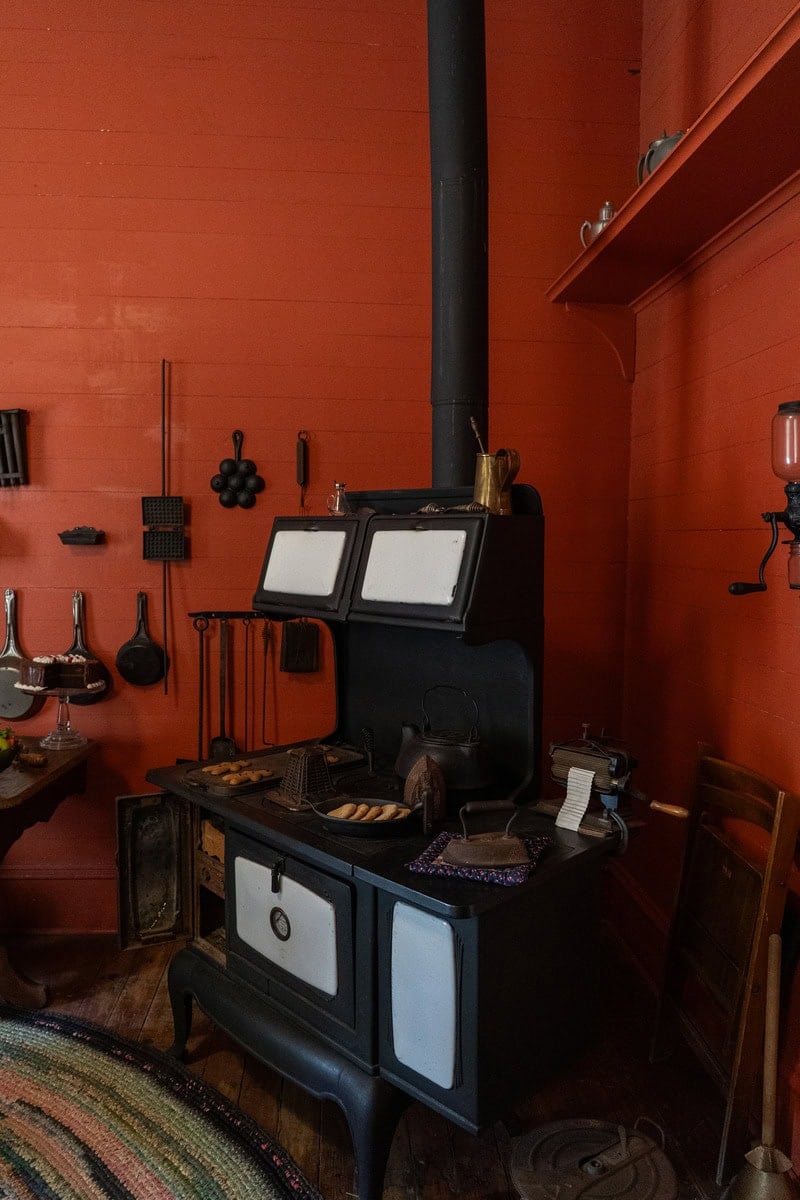
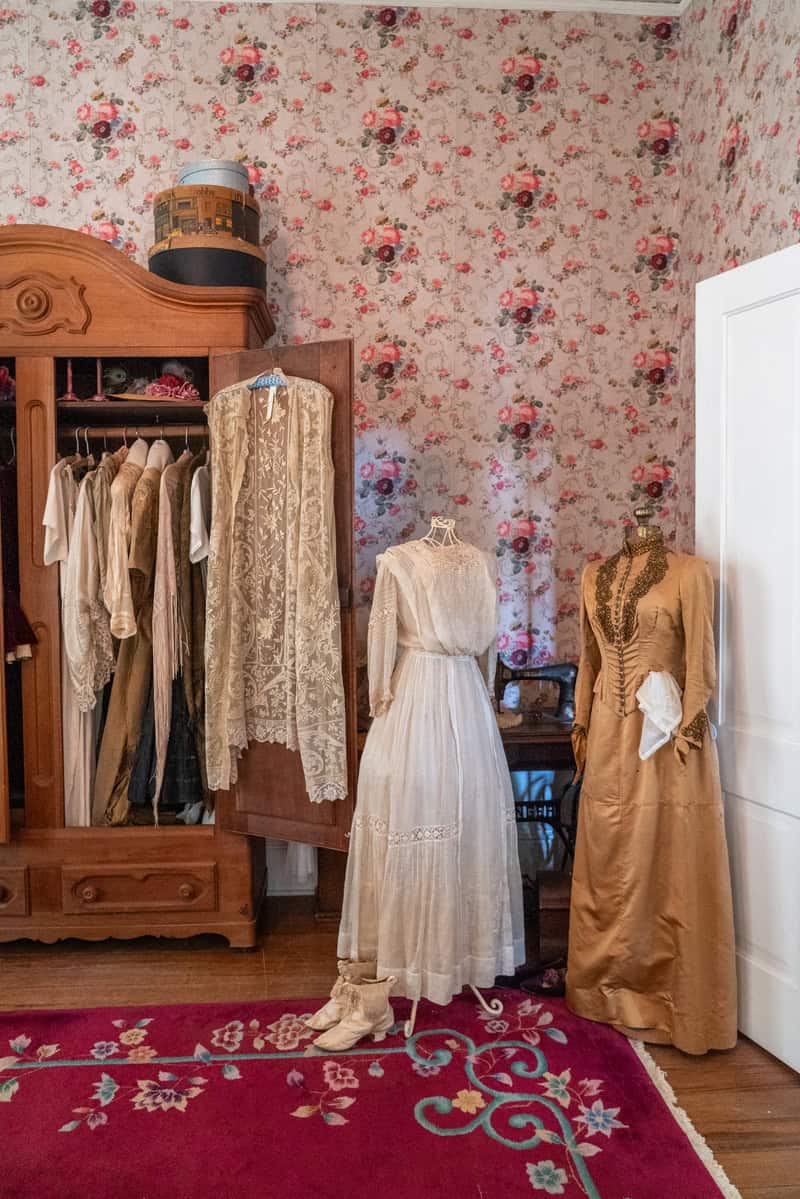
Run by passionate volunteers, the Tomball Museum Center preserves the cityâs past through original and relocated buildings, each filled with period-accurate furnishings and fascinating artifacts. The grounds are shaded by large oaks and dotted with structures that feel frozen in time.


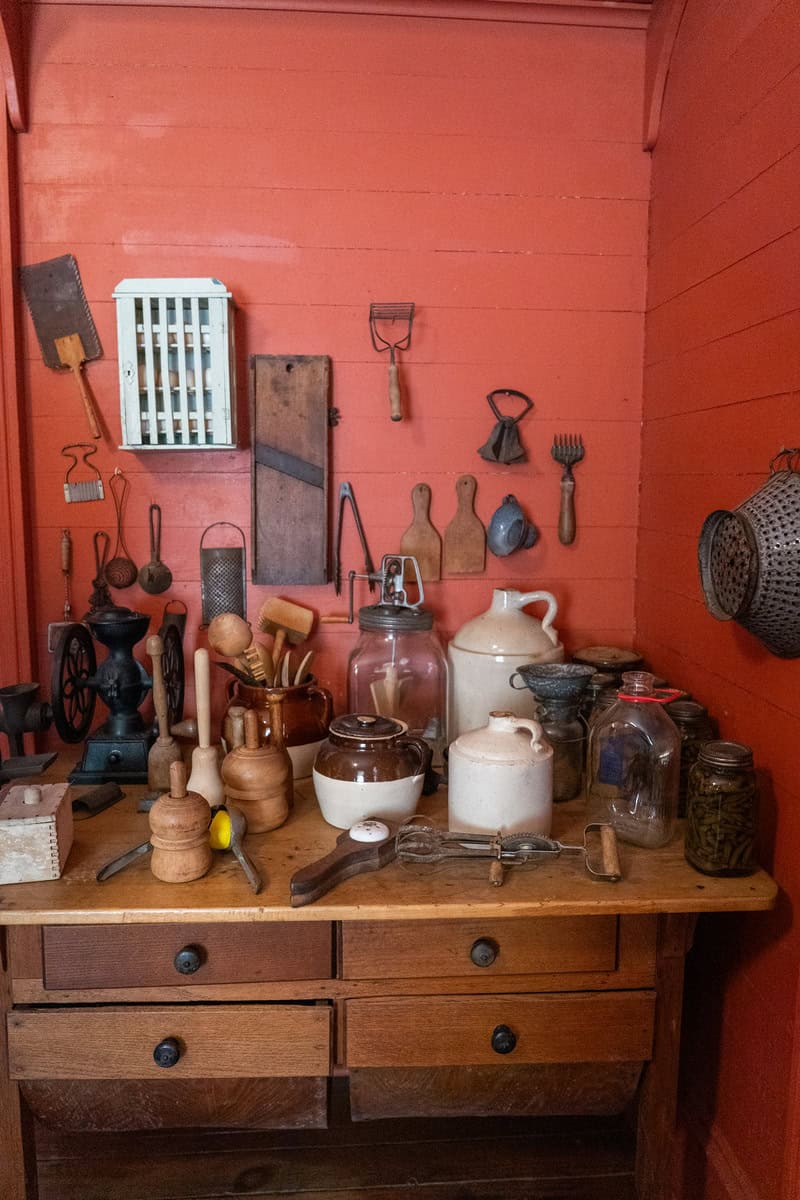
One thing that stood out during our visit? How engaged the guides were, especially with the kids. The center regularly hosts school tours, and the docents shared how students are often fascinated by artifacts like the cherry pitter, egg keeper, and even the size of the home itself.
Our guide reminded us that this museum is more than a history lesson. âItâs about spending intentional time together,â she said. âWe want people to unplug, slow down, and feel like theyâve stepped into a different time.â
Plan Your Visit: What to Know Before You Go
Before we dive into the stories, hereâs what youâll want to know to plan your own Tomball Museum tour:
Location: 510 N Pine St, Tomball, TX 77375
Hours: Current listed public hours are 10:00 am to 2:00 pm on Wednesday and Saturday, and 2:00 pm to 4:00 pm on Sunday. On Monday, Tuesday, Thursday, and Friday, appointments are required.
Admission: Tours start at $5 for kids
Budget-Friendly Tip: Even if you’re not taking the full guided tour, you can still walk the grounds and view the exteriors of the historic buildings, which are beautifully preserved and photographable.
Tour Length: Plan for about 2 hours to explore all the buildings and hear the full history.
Photography: Photos and videos are not allowed inside the buildings to preserve fragile artifacts, but youâre welcome to snap photos of the exteriors.
Accessibility: Some steps and original wood flooring make it less accessible for wheelchairs or strollers, but most of the tour is navigable for mobile visitors.
Best For: History lovers, families, homeschool groups, or anyone looking for a meaningful and budget-friendly outing with a storytelling twist.
Pair It With: A stop at the Tomball Railroad Depot Museum just down the street for a full historical morning, or make it part of a larger Saturday in Tomball.
Exploring the Griffin House (Formerly Pillot House): A Pre-Civil War Home in Tomball
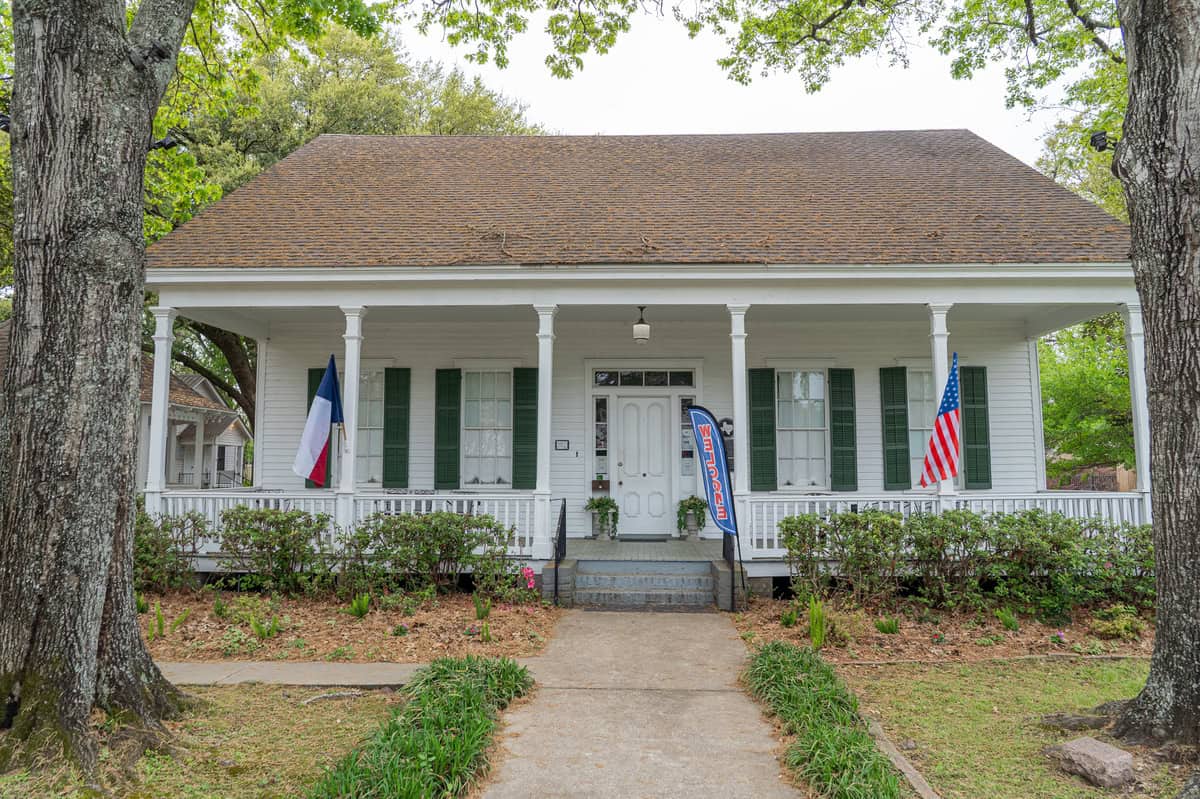
One of the centerpieces of the Tomball Museum tour is the Griffin House (formerly Pillot House), a dog-run-style home believed to have been built before the Civil War. The design, with a central breezeway and high ceilings, was meant to harness natural airflow and beat the Texas heat.

Inside, each room reveals something new. A sitting chair by the bed for guests. Pink and blue chamber pots. A ladyâs spittoon, because yesâwomen also used tobacco back then. These personal details give life to what might otherwise be a silent house.


The origins of the home carry a mix of pride and complexity. The Pillot family was German and Germans were usually known for being anti-slavery, but like many historical homes of that era, itâs unclear who built it. Itâs an opportunity for reflection and questions and not something that should be shied away from.
Buildings That Tell a Story: What Youâll See on a Tomball Museum Tour
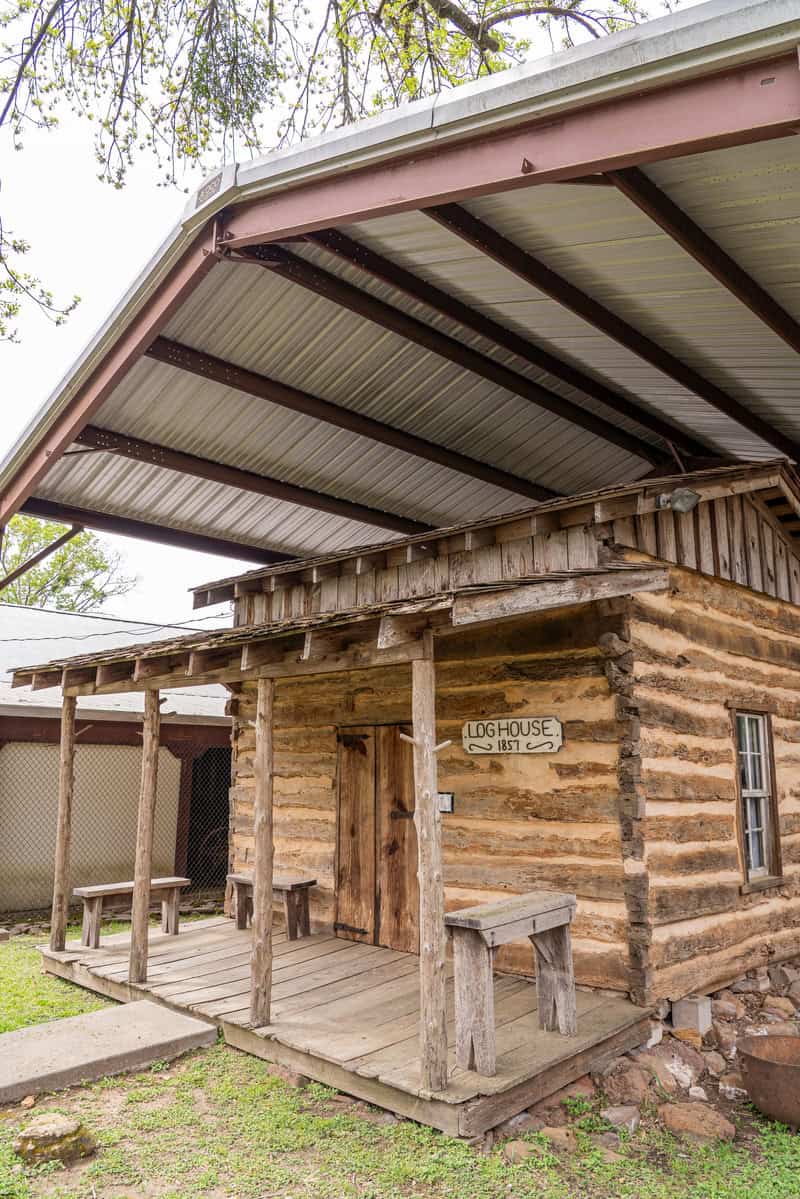
The Tomball Museum Center is set up like a historic village. Some places youâll explore include:
- 80+ Things to Do in Tomball TX
- Historical Places in Tomball TX
- Things to Do in Tomball on Saturdays
- Old Town Tomball Guide
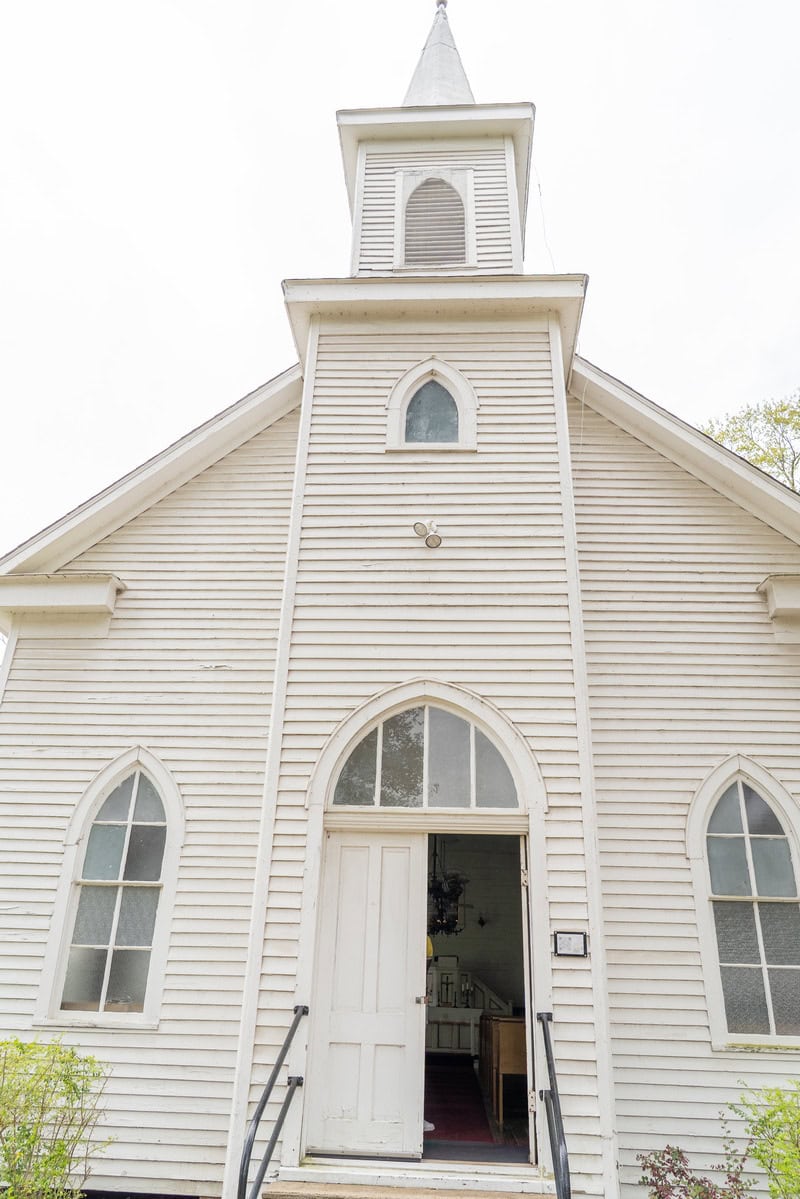
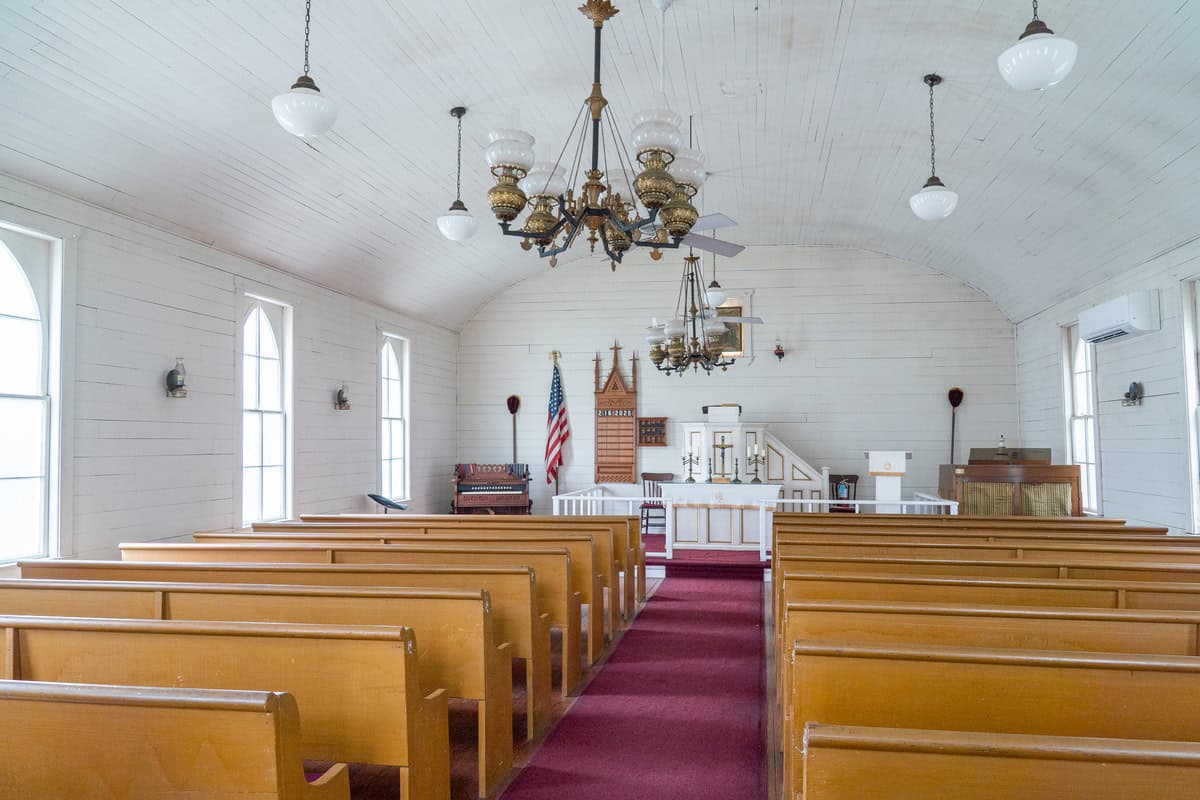
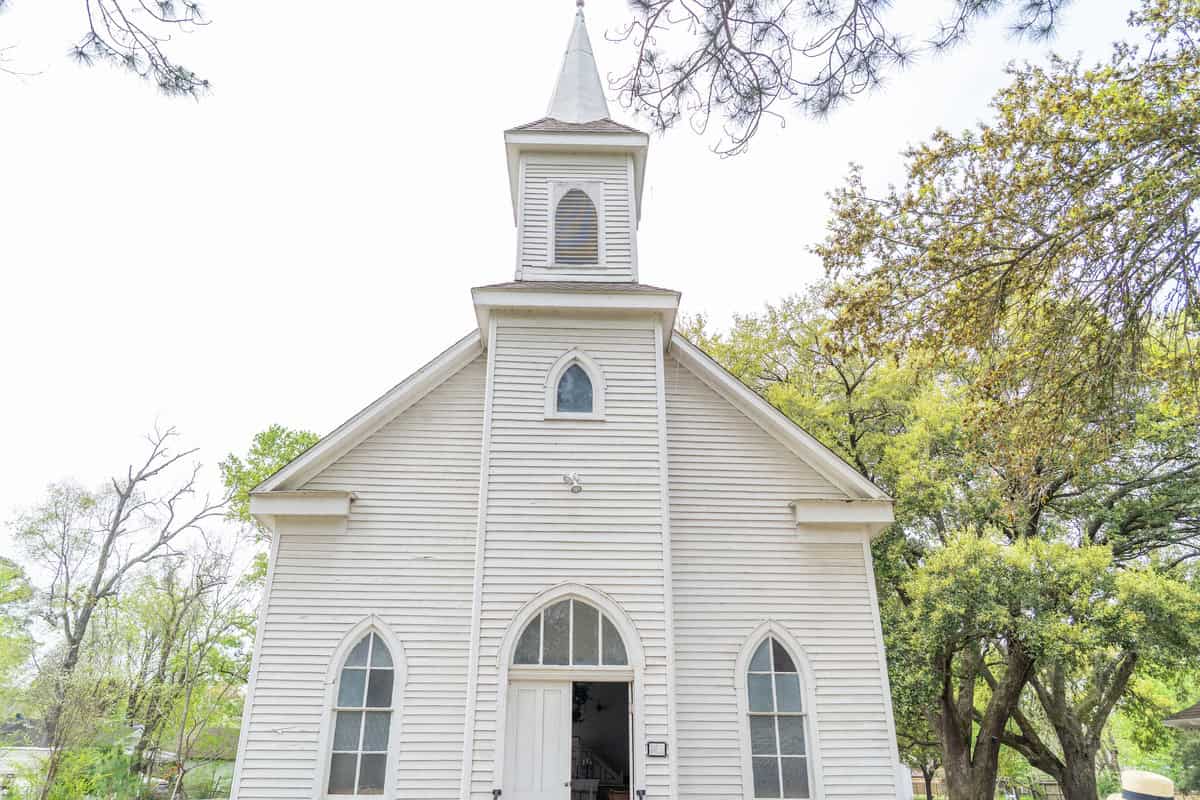
- Neudorf Lutheran Church â Built in the 1800s and still used today for weddings, blending sacred history with modern joy.
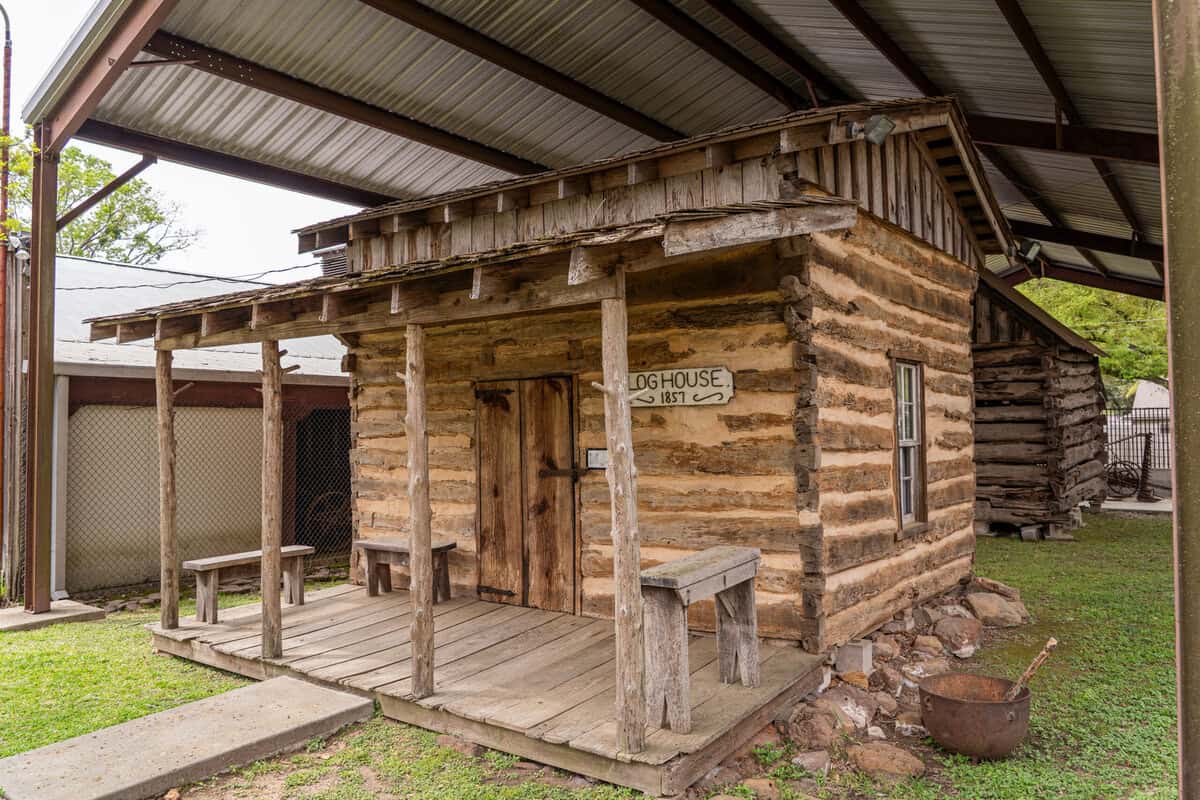
- Farmhouse & Log Cabin â Representing both wealth and survival, with one home reflecting simple frontier life and the other a more established farmstead.
- Doctorâs Office â Compact and packed with antique medical tools.
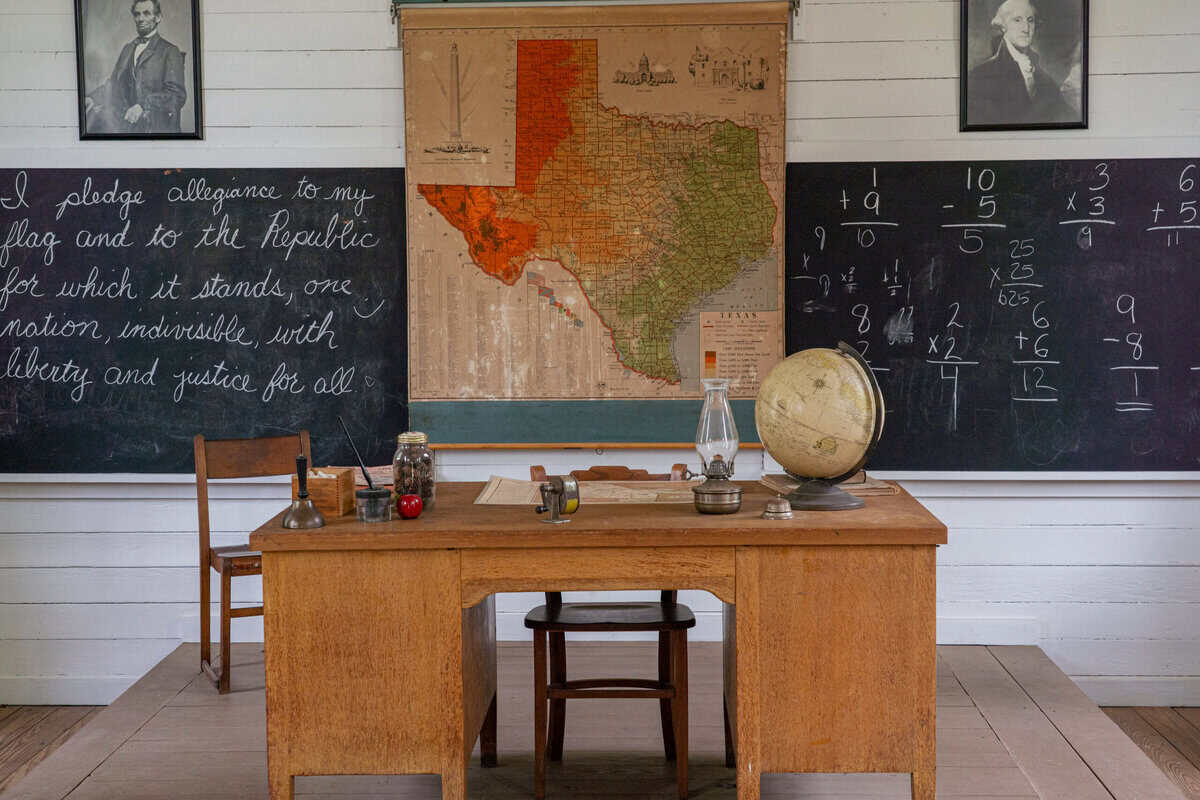
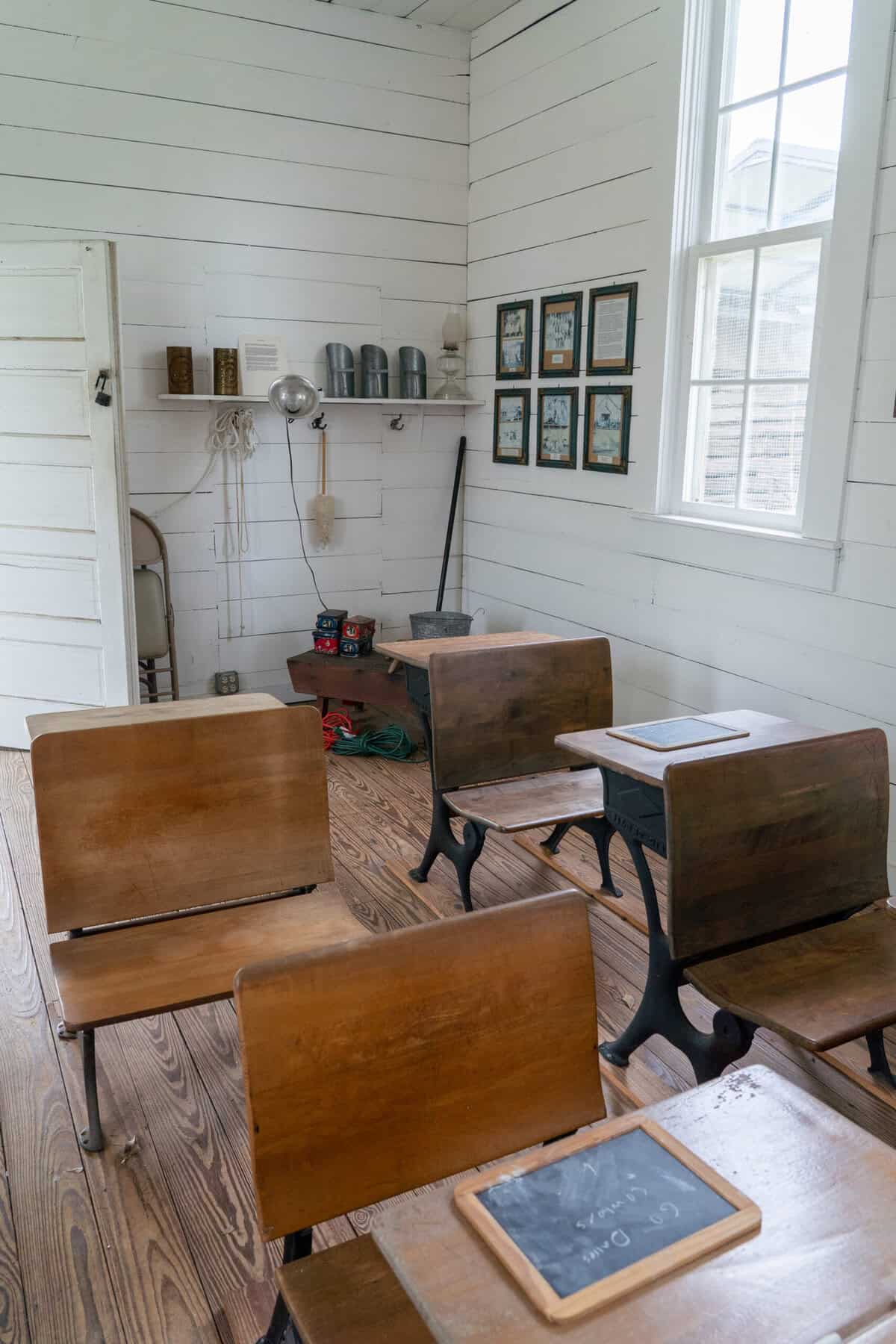
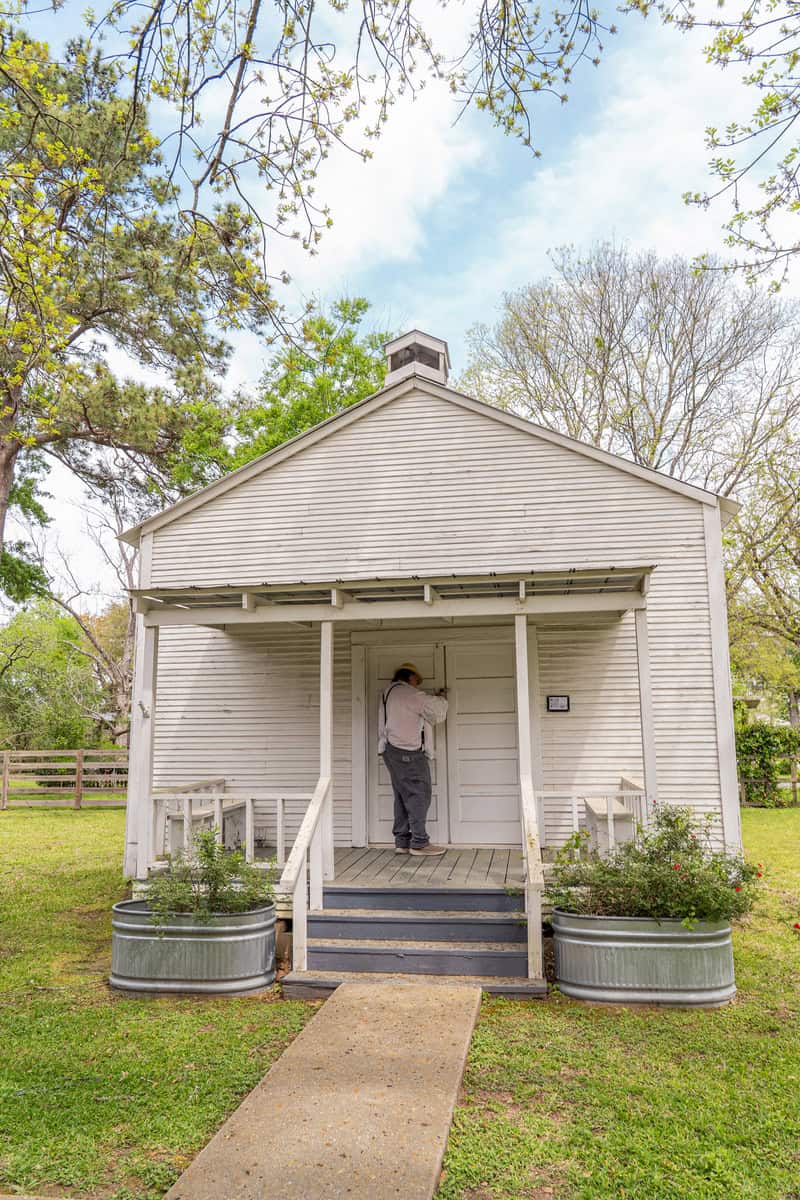
- One-Room Schoolhouse â With desks, blackboards, and vintage maps.
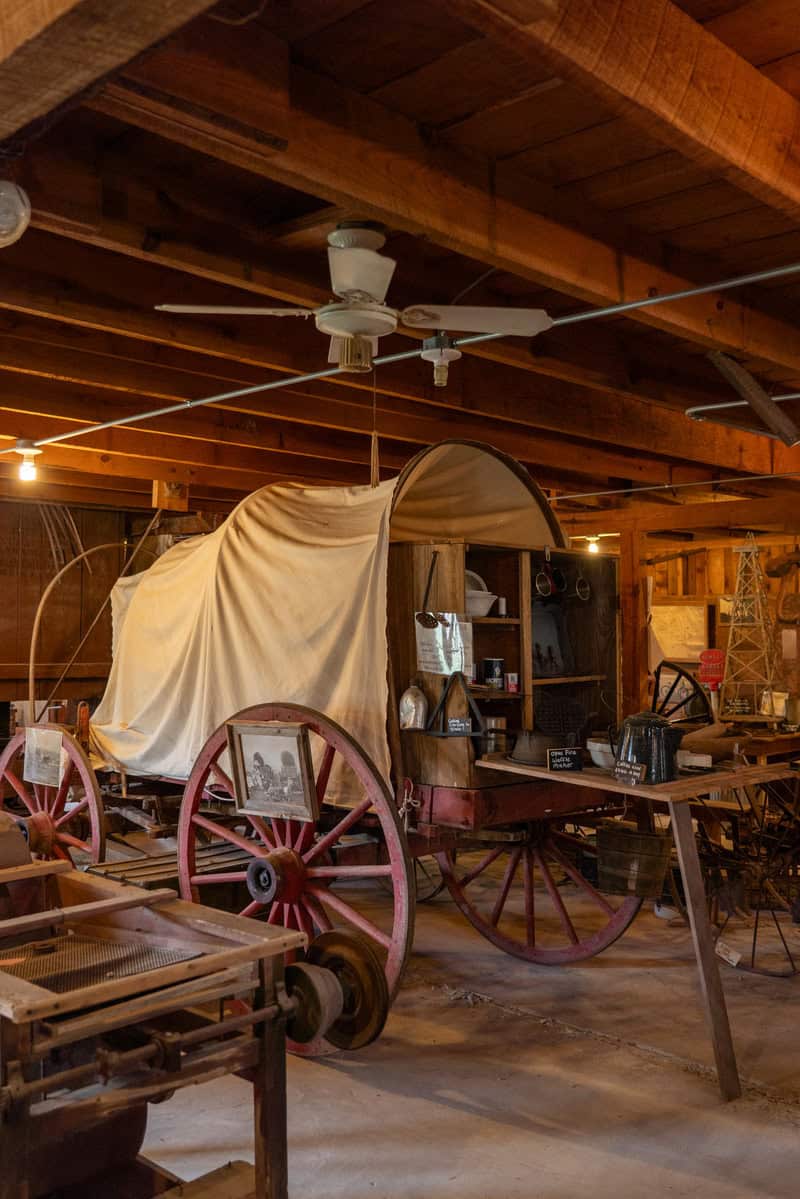
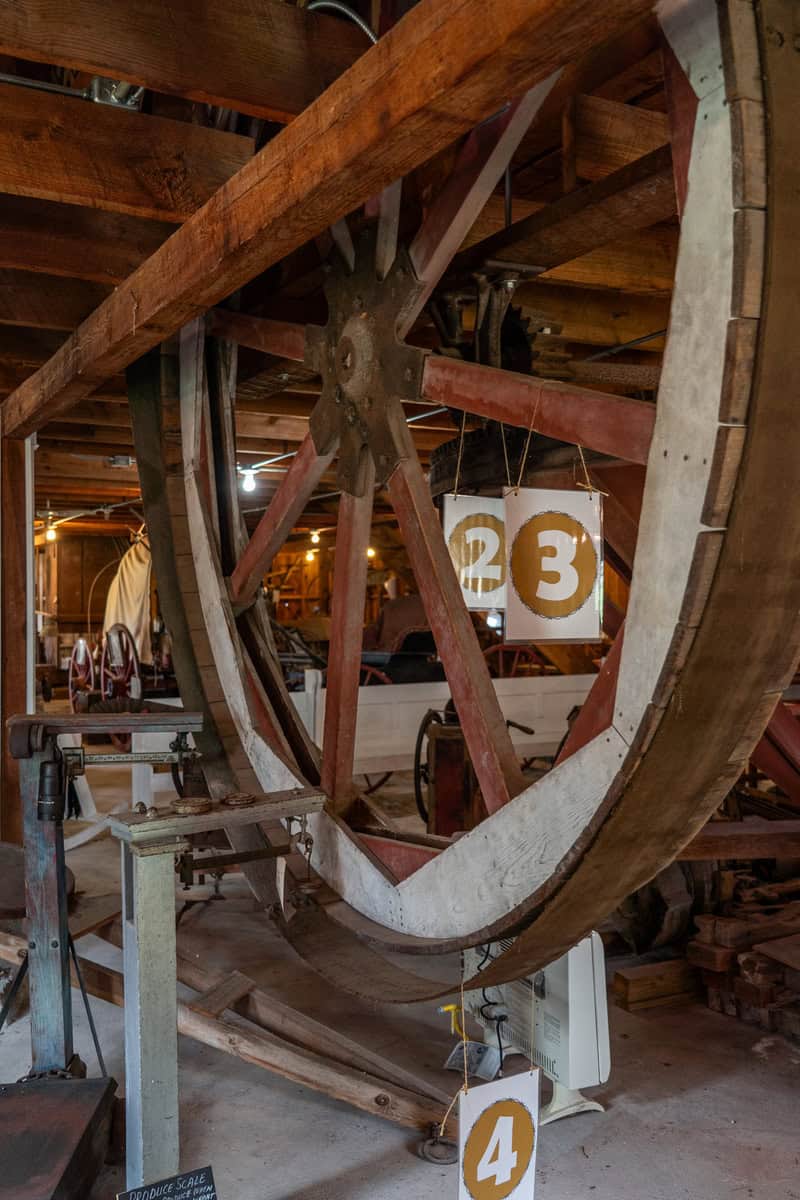
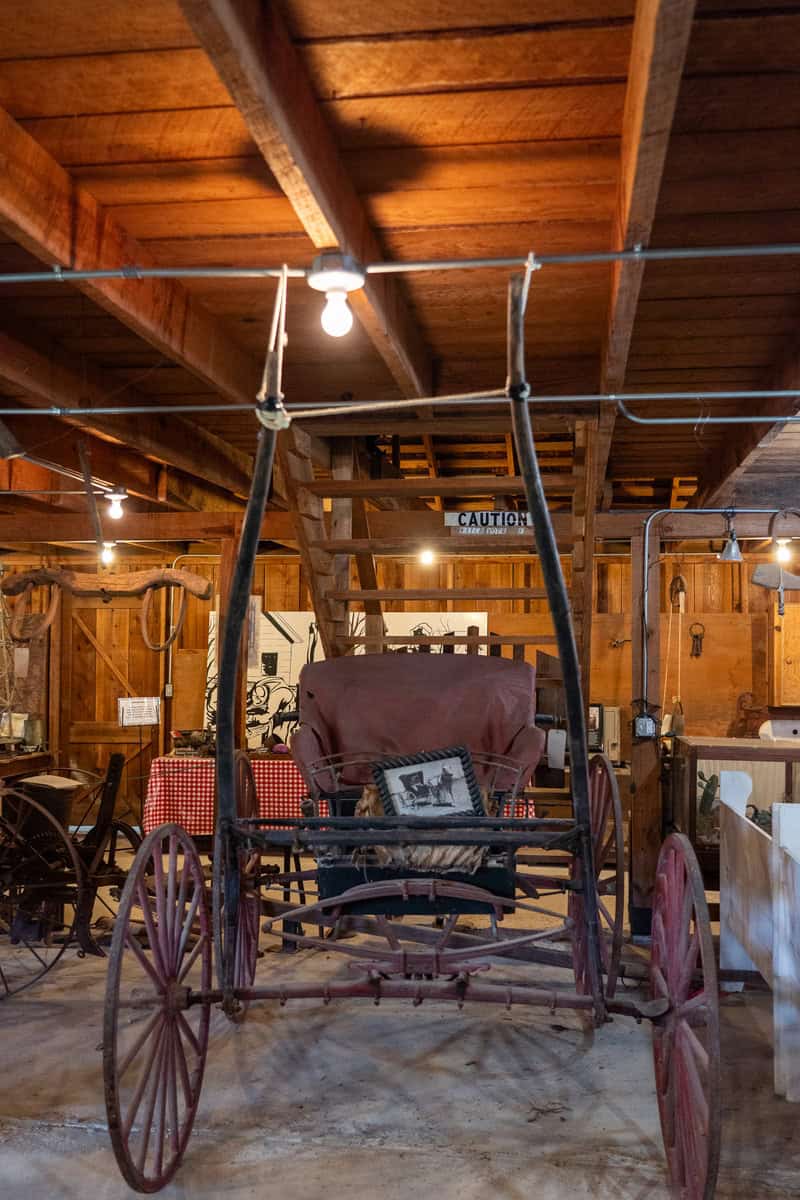
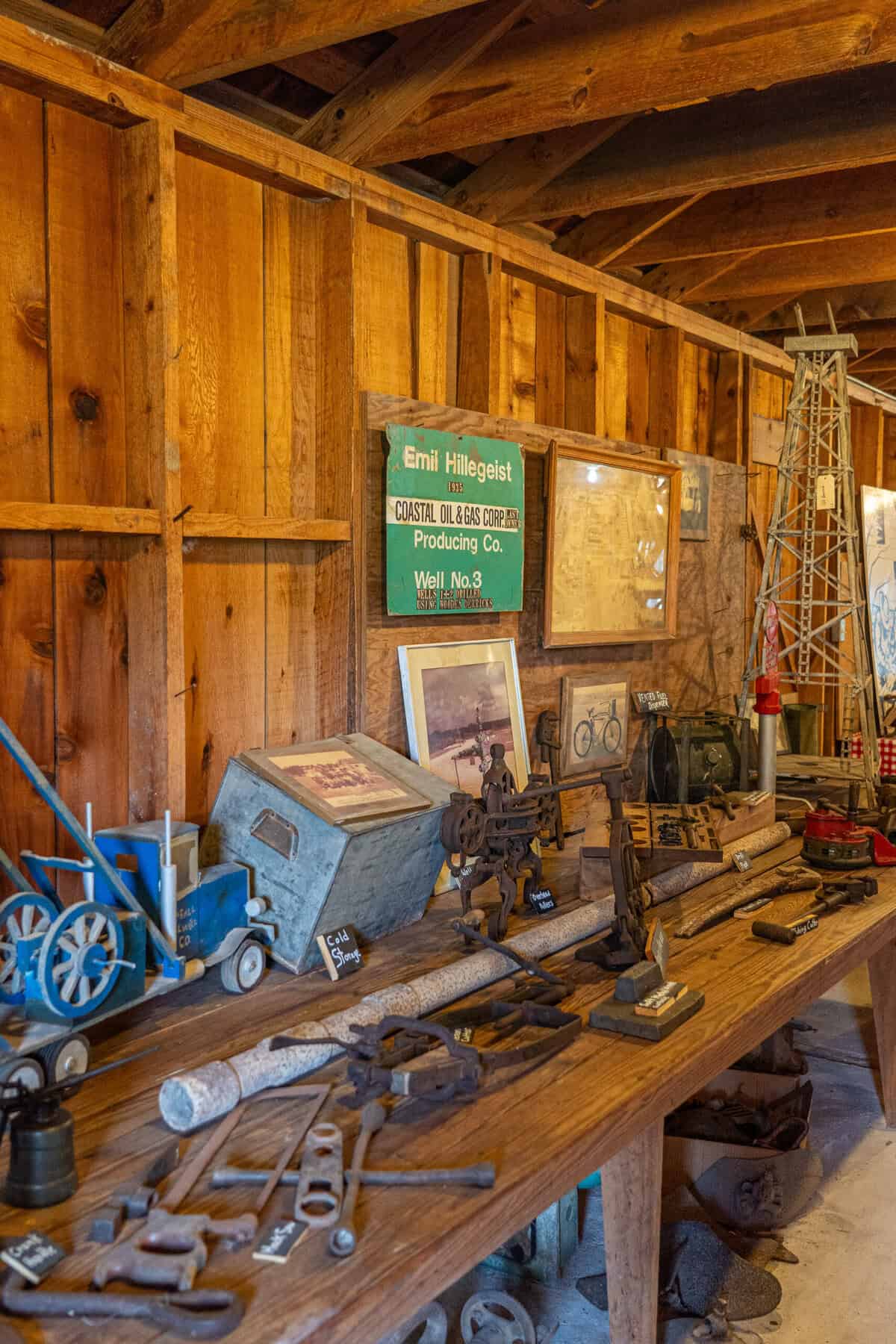
- Barn â Filled with old farm tools and equipment.
- Fellowship Hall & 1930s Oil Camp House â Showcasing Tomballâs shift during the oil boom and its time as “Old Town USA.”
What makes this tour so compelling is that everything feels alive. Youâre not peering through glass. Youâre stepping through creaking doors and standing on original floorboards.


Step Into the Classroom and the Chapel: Stories from the Schoolhouse and Church
While every building offers a glimpse into Texasâ past, two spaces in particular felt worth mentioning: the one-room schoolhouse and the Neudorf Lutheran Church.

The schoolhouse, relocated from Bellville, is a textbook example of how education looked in rural Texas well into the 1940s. Rows of desks with inkwells, handwritten lesson plans, and chalkboards transport you to a time when a single teacher taught every subject, often for multiple grade levels. Itâs easy to imagine the sound of recitations and the scrape of wooden chairs across the floor.
One favorite for ourselves and others were the ârules of a teacherâ. Letâs just say most of us would happily fail!

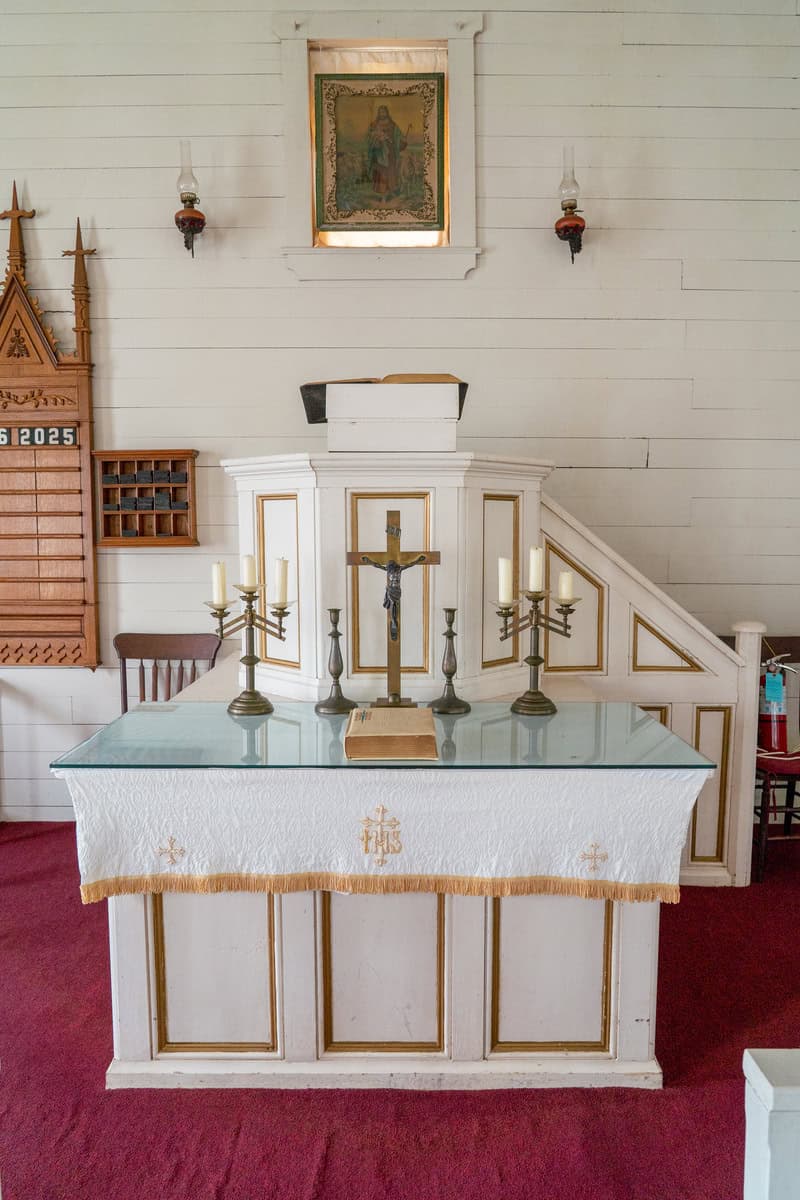
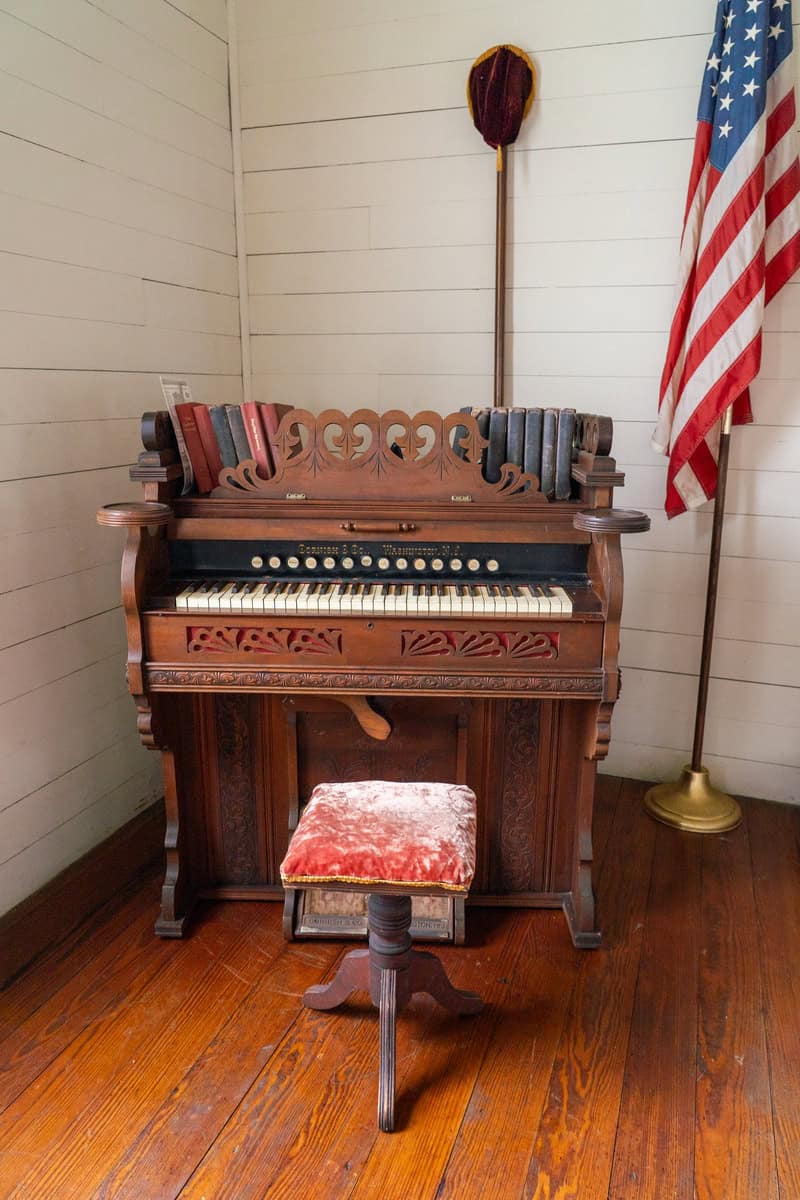
Just steps away, the Neudorf Lutheran Church tells a story of spiritual roots and community endurance. Originally built in 1876 by German settlers, this small sanctuary was constructed with timber from the land and restored to its former glory. The soft light filtering through its windows casts a peaceful glow over the pews and vintage organ. Today, the church is still used for weddings, offering a sacred space where history and new memories meet.


Both buildings are full of heart and humble detail, connecting generations through quiet purpose.
The History of the Pilot Family
The Pillot family, whose home now anchors the museum, went on to start Henke & Pilot, a market business that became a Houston staple.

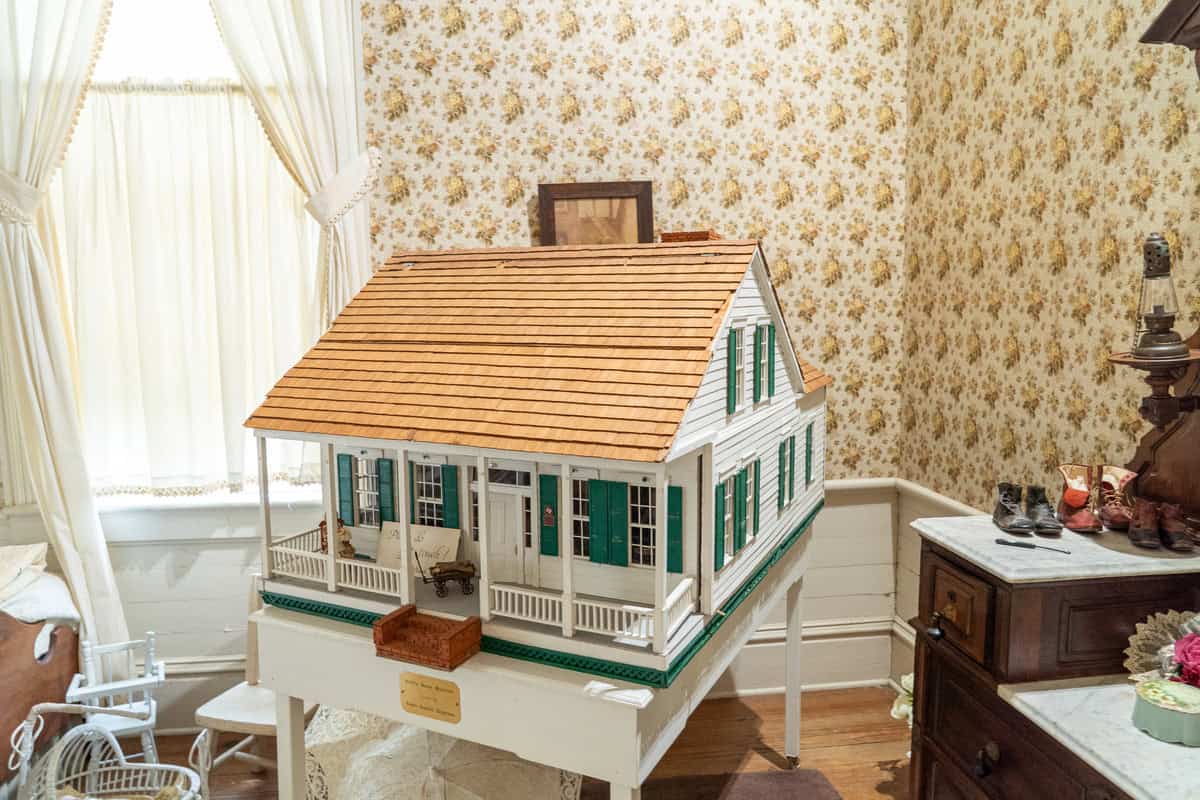
Inside the house, youâll find family heirlooms like a pump organ, a piano, and a miniature replica of the Griffin House (formerly Pillot House) used for fundraising efforts. Even the structure itself has stories. After the family moved out, the home was used as a hay barn for a time before being lovingly restored.
The Lakey Family: A Story That Needs to Be Told
One of the stories that I feel deserves more attention is that of the Lakey family, a Black family who purchased over 30 acres in Tomball. While thereâs limited official documentation available, the impact they had on the community is undeniable.
Unfortunately, African American history is often overlooked or left out altogether, and thatâs why I make it a point to include the Lakey family whenever I talk about Tomballâs past.
Their children likely attended segregated schools, though little is formally acknowledged in the museum itself. Their story deserves a stronger presence, not only in Tomballâs museums but also in how the town remembers those who helped shape it.
Tomballâs Sister City Connection
While walking through the museum grounds, we learned that a delegation from Tomballâs sister city, Telgte, Germany, was set to arrive. It was a full-circle moment: German roots, preserved history, and present-day global friendships all converging on the same lawn. These cultural exchanges help keep history alive while showing how Tomball continues to grow and connect beyond Texas.
Donât Miss: The Tomball Railroad Depot Museum
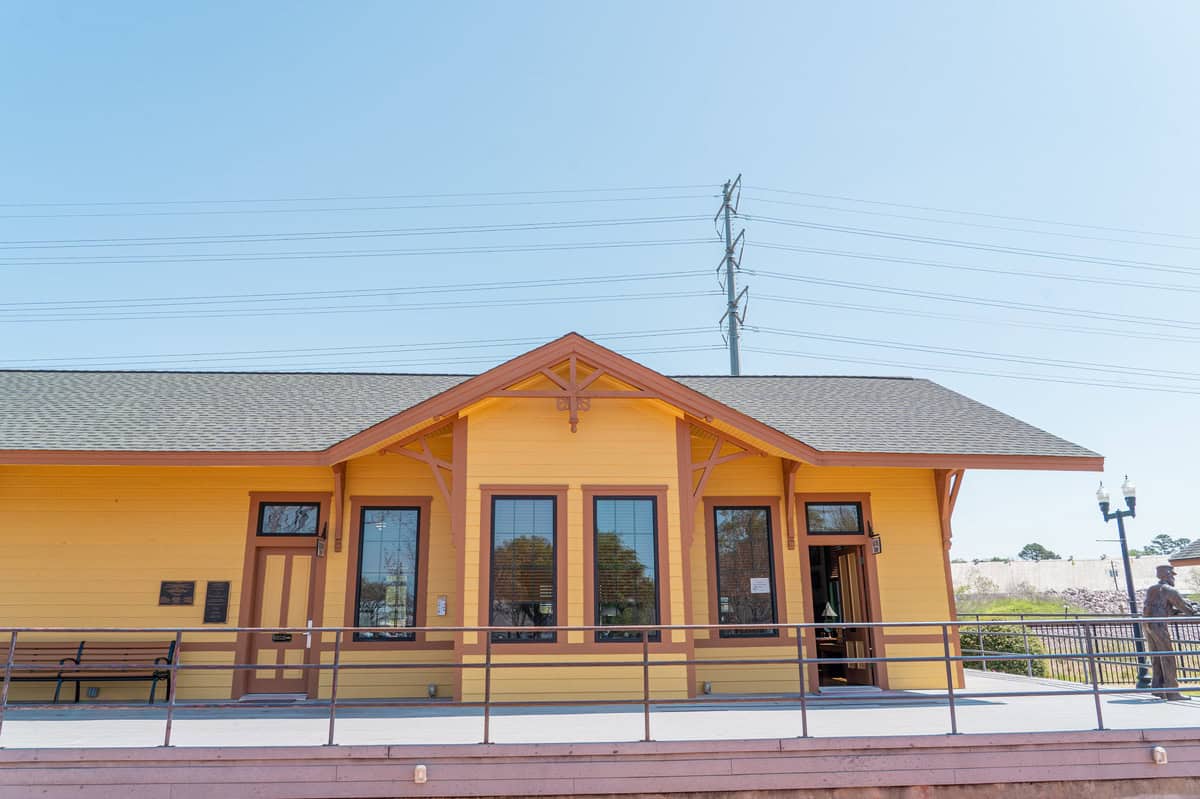
A few blocks away sits one of the townâs most iconic landmarks: the Tomball Railroad Depot Museum.
Built in 1907 in what was then Peck, Texas, the depot helped put the town on the map. It was named after Thomas Henry Ball, a Texas lawmaker and railroad advocate. When oil was discovered in 1933, the township officially became the city of Tomball.

Today, the depot has been fully restored and includes a treasure: Mr. Daveâs Z-scale model train display.
Mr. Dave, now in his 80s, started building this whimsical miniature world decades ago. His stories are just as entertaining as the layout itself.
Why the Tomball Museum Center Is a Must-See Stop for History Lovers
The Tomball Museum Center is about stories passed down, quirks preserved in glass cabinets, and thoughtful volunteers who care deeply about sharing them. From the quiet halls of the Griffin House (formerly Pillot House) Tomball to the laughter at the dunce cap in the one room school house, this place is full of surprises.
For anyone wanting to understand not just what Texas looked like in the past, but how people lived, loved, learned, and even flirted (we received a fan to learn all about that language-of-the-fan for giving out not so subtle hints of when we liked or didnât like somone), this museum is worth the visit.
A visit to this history museum in Tomball is like a memory bank, a community space, and one of the most enriching small-town stops Iâve had in Texas.
FAQ: Visiting the Tomball Museum Center & Railroad Depot
What is the Tomball Museum Center?
The Tomball Museum Center is a historical village-style museum in Tomball, Texas, made up of restored buildings like the Griffin House (formerly Pillot House), a one-room schoolhouse, a church, a log cabin, and more. It offers guided tours that bring early Texas life to life through storytelling and artifacts.
How much does it cost to visit the Tomball Museum Center?
Admission starts at $5. Canât donate? Youâre still welcome to walk the grounds and admire the exteriors of the buildings.
Can I walk around the Tomball Museum Center without paying?
Yes! If you’re on a tight budget or just want a casual outing, you can explore the outdoor grounds for free. The historic buildings and peaceful setting still make it a worthwhile stop, even without going inside.
When is the Tomball Museum Center open?
Tours are usually offered from 10:30 AM to 2:00 PM. Itâs best to check their website or call ahead, as hours can vary depending on volunteer availability or special events.
Is the Tomball Museum Center kid-friendly?
Absolutely. Kids will love seeing the vintage schoolhouse, farm tools, and model train display at the nearby Tomball Railroad Depot. The museum also regularly hosts school groups, and docents do a great job of making history fun for younger visitors.
Can I take photos at the Tomball Museum Center?
You can take photos of the buildings and grounds, but photography inside the buildings is not allowed to help protect the artifacts.
Where is the Tomball Museum Center located?
Itâs located at 510 N Pine St, Tomball, TX 77375, just a few blocks from Main Street and walking distance from the Tomball Railroad Depot Museum.
Is the Tomball Railroad Depot Museum part of the same tour?
Not officially, but they pair perfectly together. After your museum tour, head a few blocks down to the Tomball Depot Museum for model trains, history exhibits, and a charming public plaza.
What are the best things to do at the Tomball Railroad Depot Museum?
Don’t miss Mr. Daveâs incredible Z-scale model train display, the restored 1907 depot building, and the vintage caboose outside. The Depot Plaza also features a gazebo, picnic tables, and occasional events like festivals and concerts.
Is Tomball Museum Center accessible?
Some buildings have original steps and uneven flooring, so full accessibility is limited. However, the grounds are fairly level and the staff is welcoming and accommodating wherever possible.
Exploring the Best of Tomball
After discovering Tomballâs Museum Center, check out these blogs below to experience more of Tomball!
- Unique Things to Do in Tomball TX
- Family Friendly Things to do in Tomball
- Free Things to do in Tomball TX
- Best Restaurants in Tomball
- Things to Do at Night in Tomball
BONUS: Get Your Free Texas Travel Guide!

If you want to plan more Texas trips without breaking the bank, Iâve put together over 55 trips in Texas. These come with detailed itineraries to help you plan amazing trips around the state. Each trip costs less than $50 per person. Explore Texas, and youâll uncover amazing hidden gems and wacky attractions throughout the state!
Not ready to purchase just yet? Weâre offering the 1st edition of our 50 Texas Trips Under $50 for FREE! Simply click the button below, then scroll down to grab your copy!
Tomball Museum Center: Final Thoughts
Visiting the Tomball Museum Center was such a memorable experience for me. I loved stepping back in time, learning about the area’s fascinating history, and walking through the charming historic buildings. It truly felt like I was connecting with the stories of the past in such a special way.
Why not take a little time to explore it for yourself? Trust me, you wonât regret it! And for even more ideas to make the most of your time in the area, donât forget to check out our ultimate Tomball guide. After you visit, feel free to share what you loved most in the commentsâIâd love to hear your thoughts!


Last Updated 12 hours ago ago by Jessica Serna | Published: May 20, 2025